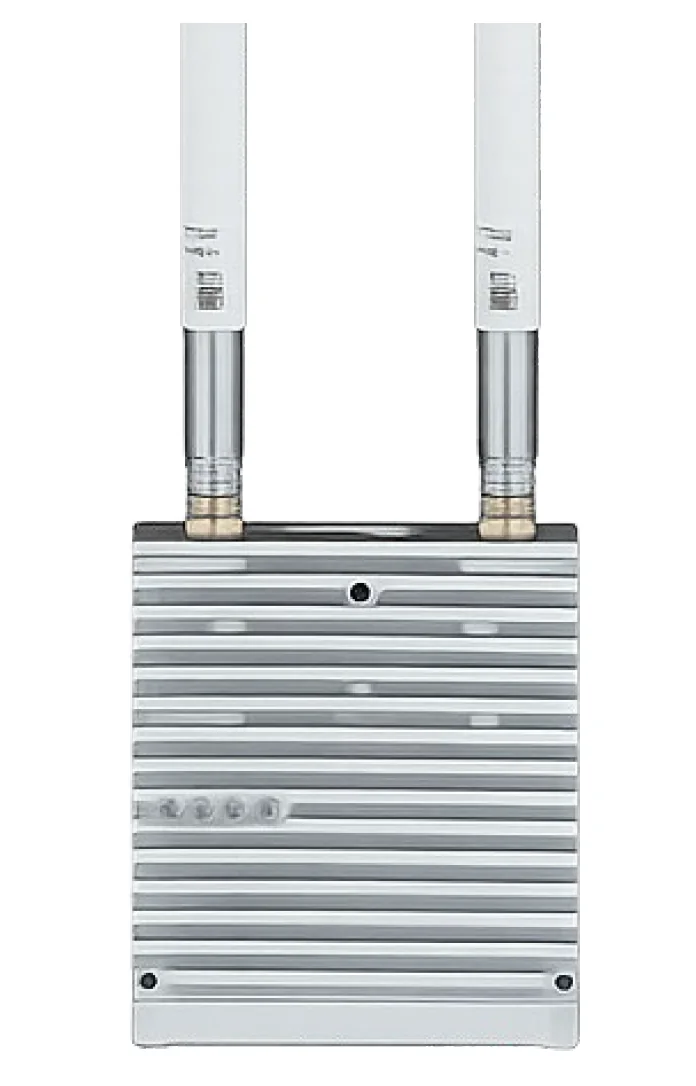
 C405 MAX
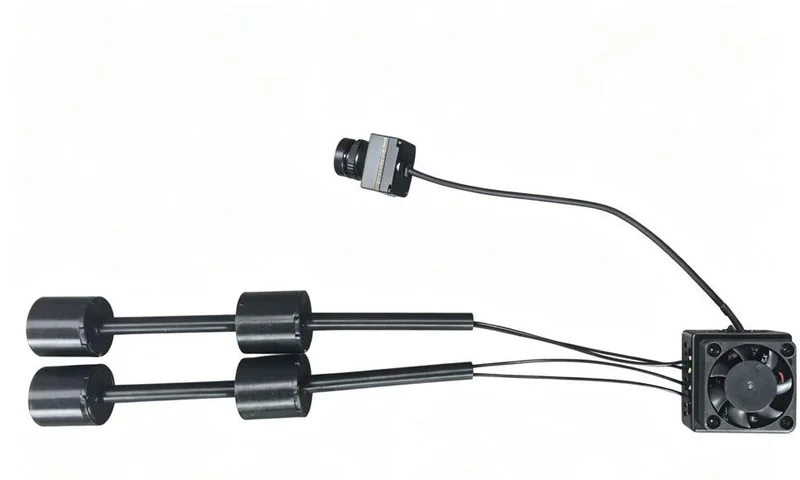
 ZYRO Air
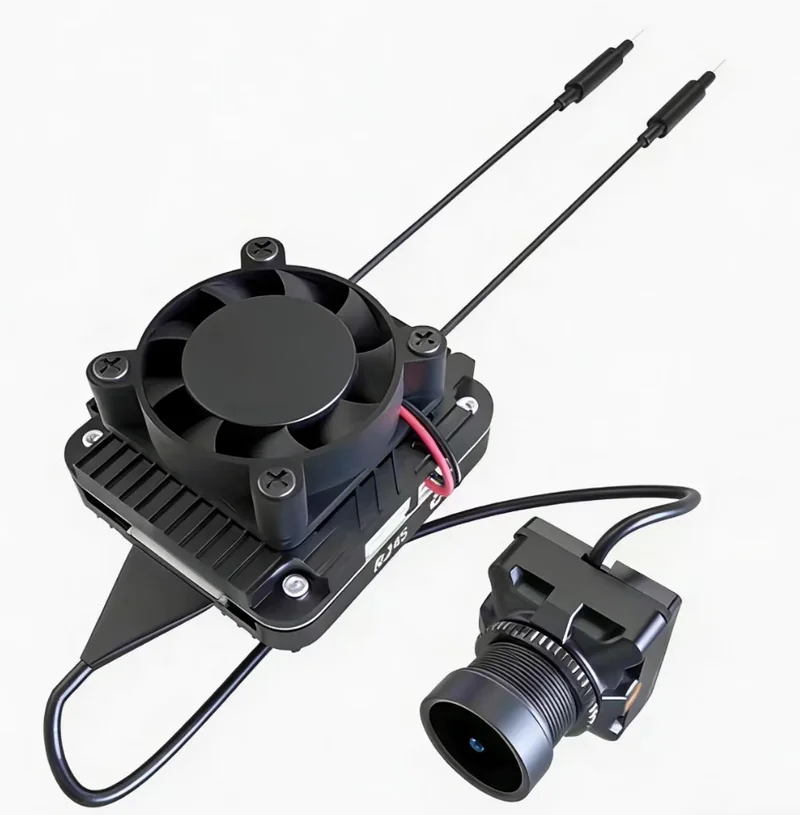
 ZYRO Link
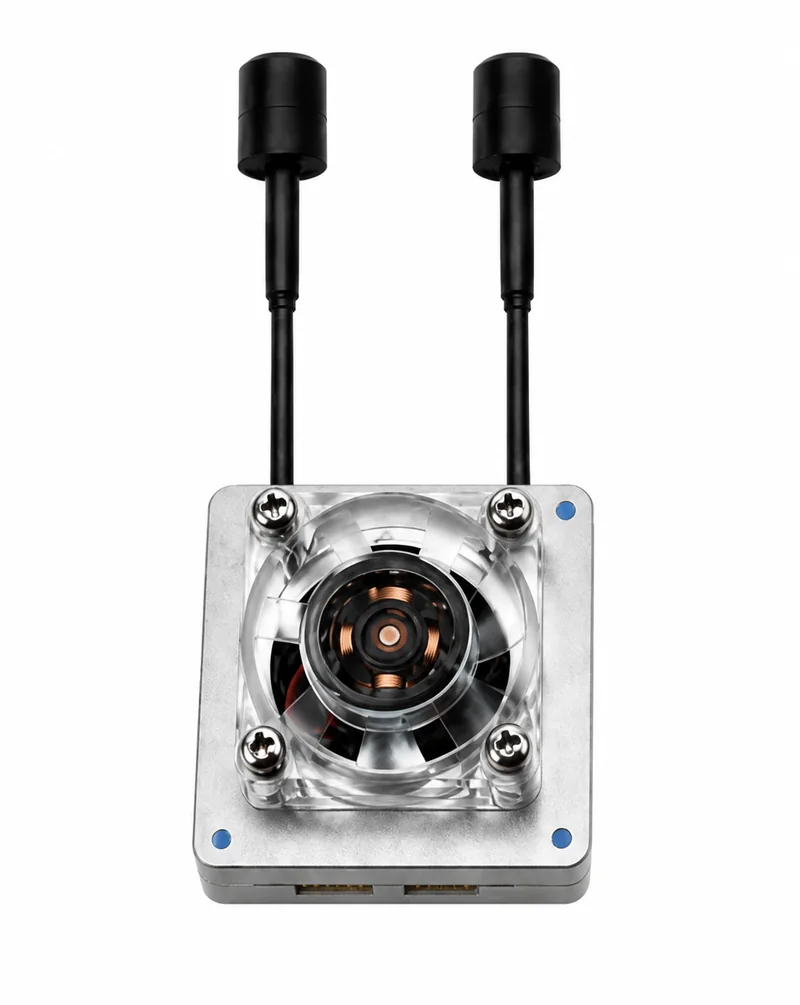
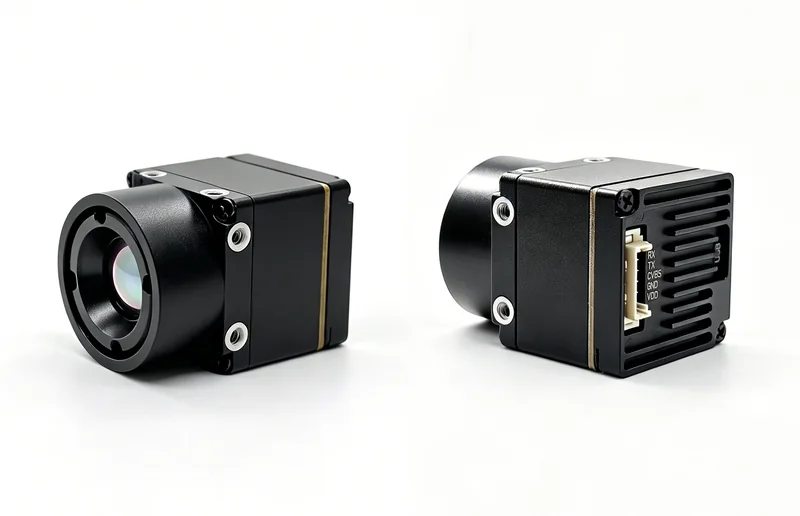 ZYRO Thermal

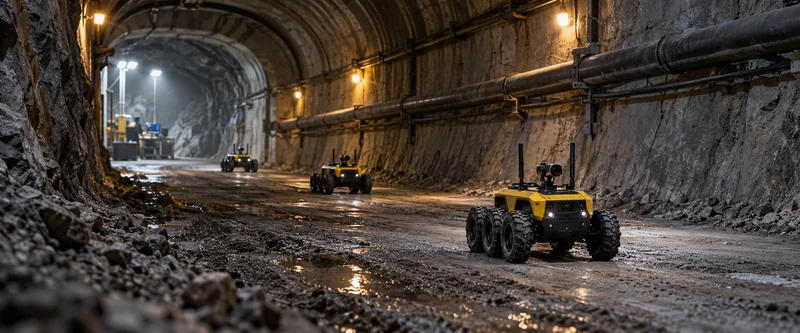
ZYRO MeshFlow / Mines & Tunnels
Go deeper. Stay connected.
Extend communication as the inspection moves deeper underground. The MeshFlow deployment concept connects an entrance control station, two relay robots and a forward working robot across three wireless hops. Operators position relay B first, then relay C, checking each adjacent link before robot D advances within the verified coverage area. Commands travel from the entrance through both relays to the working robot; video and operating status return along the same chain. As bends or task locations change, operators can reposition the relays and verify coverage again. The approach brings robot mobility into communication planning for underground observation and task coordination.
Discuss this solution ↗Read the English narration
ZYRO MeshFlow. Four nodes and two relays extend the connection step by step along an underground passage.
A is the entrance control station. B and C carry Mesh nodes to relay communication for forward working robot D.
The operator deploys B first, then C. Verify coverage section by section: two relay robots form three wireless hops.
From the entrance to the working area, commands travel from A through B and C to working robot D.
Video and operating status return from D through C and B, bringing information back to the operator.
B and C hold their coverage positions as D advances within the verified area. Check each link around tunnel bends.
As the task moves, the operator repositions the relays as needed and checks adjacent coverage again.
ZYRO MeshFlow. Four nodes, two relays. Go deeper, with the connection passed along the route.
English adaptation of the supplied Chinese narration script, not a verbatim audio transcript. The video includes deployment illustrations and third-party footage; actual coverage and equipment suitability require site-specific verification.
Robots as relay points
Two robots carrying Mesh nodes form communication positions along the route.
Three hops, both directions
Send commands forward and bring video and operating status back through the same four-node chain.
Deploy and verify
Operators position the relays, check adjacent coverage and adjust the deployment as the task moves.
The concept in the film
Four nodes.
Two relay robots.
A is the entrance control station; B and C are the two relay robots; D is the forward working robot. These are application roles, not fixed master/slave assignments. The film illustrates one chain, without a guaranteed alternate route if a link is lost.
- A
Entrance control station
Operators direct the task and receive the returning video and operating status.
- B
First relay robot
Position the first Mesh relay and verify coverage from the control station.
- C
Second relay robot
Extend the chain from B and verify the adjacent link toward the working robot.
- D
Forward working robot
Advance within verified coverage while returning the view and task status.
Commands toward the working robot
Control commands pass through relay robots B and C to reach D over three wireless hops.
Video and status back to control
Information from the working robot returns through the two relays to the entrance operator.
Explore the building blocks
Start with your platform.
Compare the related products with your platform and interface requirements.