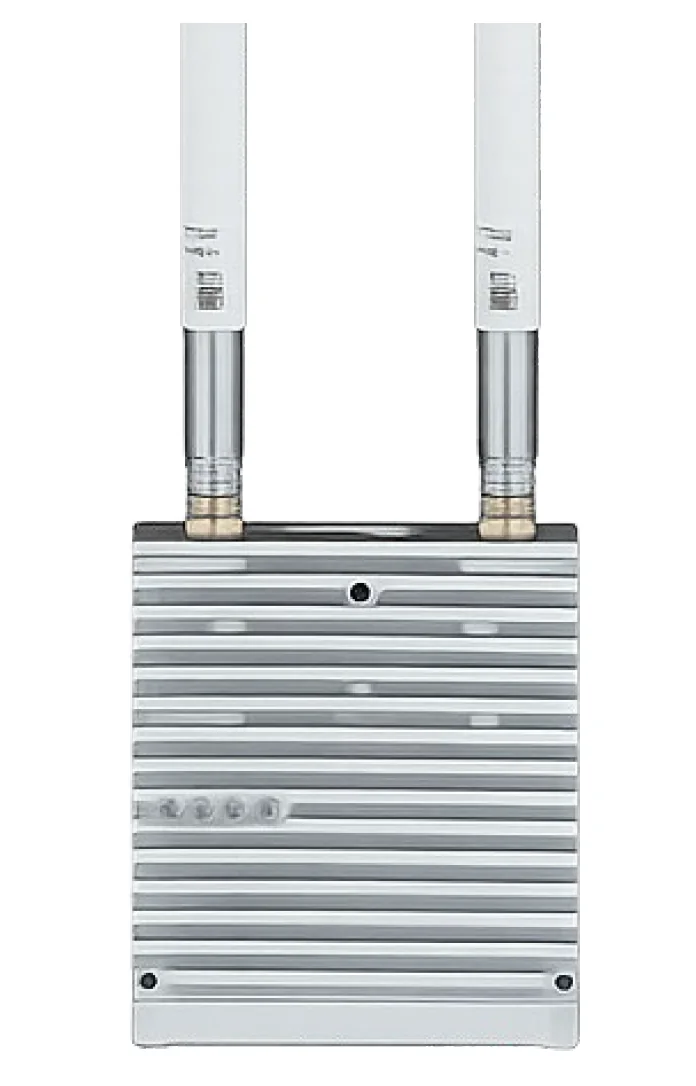
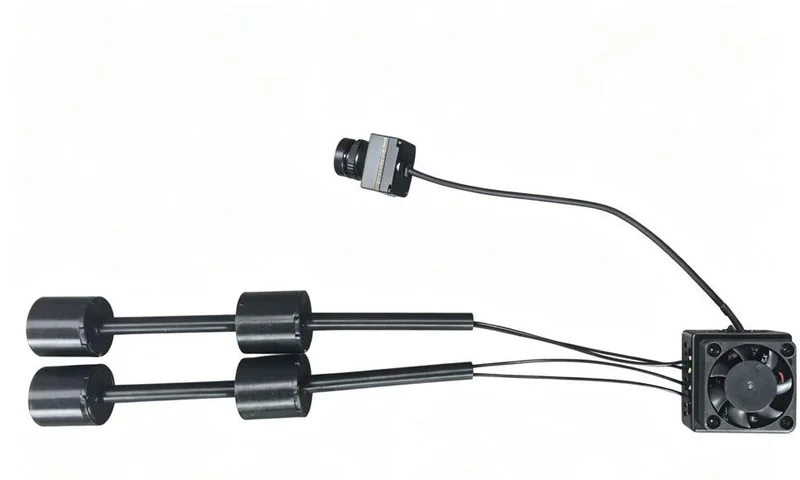
 C405 MAX
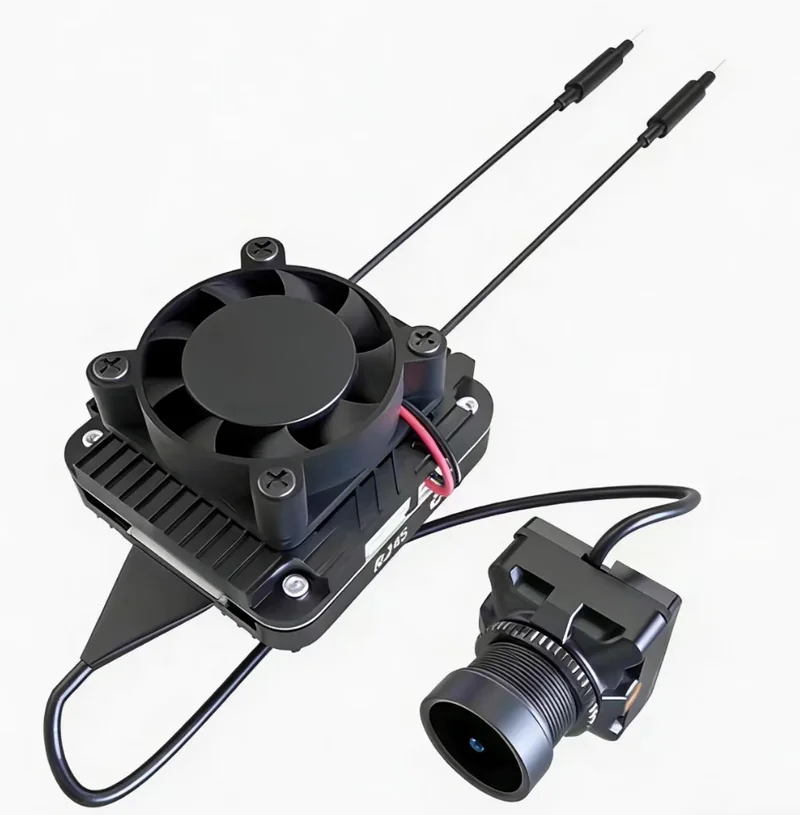 ZYRO Air
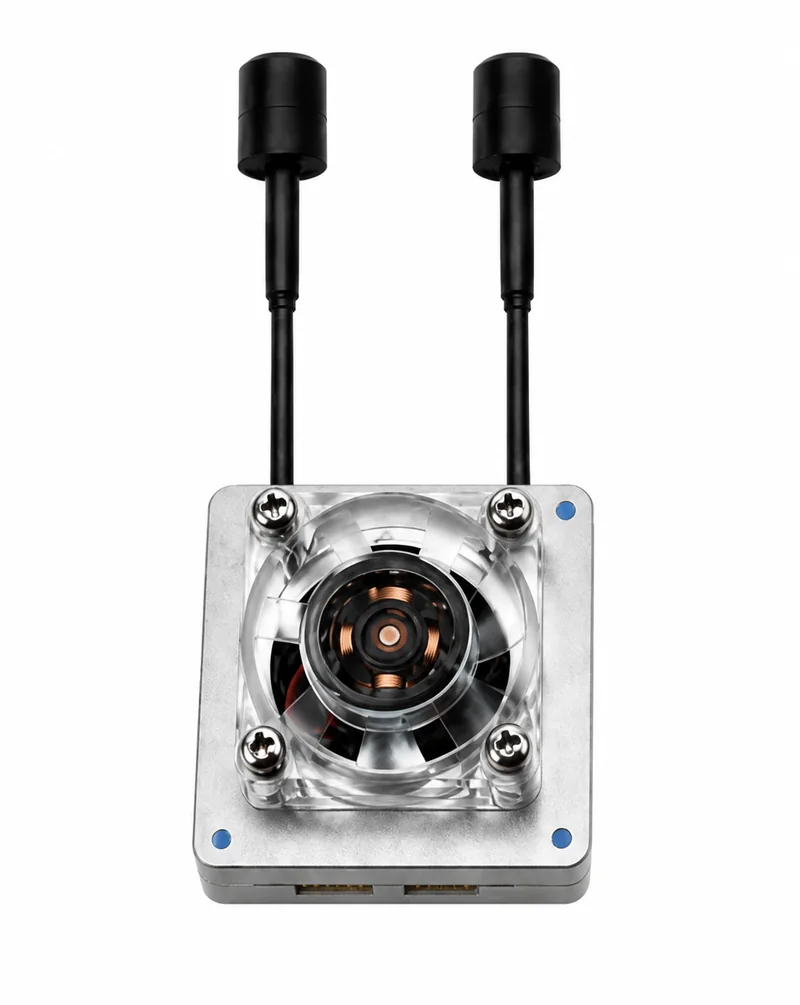 ZYRO Link
 ZYRO Thermal
ZYRO MeshFlow / SportsLink
Every angle. One production.
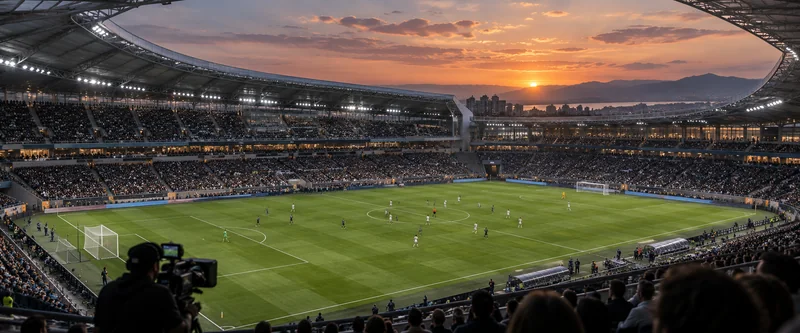
Bring sideline, grandstand and mobile camera perspectives into one sports production. The MeshFlow concept connects cameras, relay nodes and the production centre over a flexible wireless IP network, carrying video, device control and data together. An elevated relay can provide a path around an obstruction; if that relay becomes unavailable, traffic can use another reachable route. From stadium coverage to marathons, cycling and mountain trails, the approach lets camera positions follow the action while the production team plans the connections around the venue or course.
Discuss this solution ↗Read the video transcript
ZYRO MeshFlow. Dual antennas. Link rates up to one hundred megabits per second.
Multiple cameras, one production. Millisecond-scale frequency hopping counters interference.
Sideline camera A, elevated relay B, mobile camera C, and production center D.
When the direct path is blocked, C relays through elevated node B to D.
If B fails and a backup path is available, C routes through A to D, with second-scale recovery.
From marathons to cycling and mountain trails, flexible connections let cameras follow the action.
Video, control and data share one network. Typical control-channel latency: two milliseconds.
ZYRO MeshFlow. Connect beyond limits.
Text from the supplied video's on-screen subtitle script. The 2 ms figure refers to typical control-channel latency, not end-to-end video latency; 100 Mbps is a maximum link rate, not guaranteed application throughput. Capability and performance statements in the film have not been independently measured here.
Follow the action
Connect sideline, grandstand and roving camera positions for a multi-angle production.
Plan the available paths
Use relay positions to work around obstructions, with alternate routes where the network can reach them.
Carry more than video
Bring video, device control and data into the same IP-network concept.
The concept in the film
From the sidelines
to production.
Four roles illustrate how cameras and relays can connect to a production centre. Available routes depend on node placement and radio conditions.
- A
Sideline camera
Capture the close-up view beside the field.
- B
Elevated relay
Provide a relay position above an obstruction.
- C
Mobile camera
Follow the action from a moving viewpoint.
- D
Production centre
Receive the connected camera feeds for production.
When the direct path is blocked
In the video, the mobile camera sends through the elevated relay to reach production.
When a reachable backup is available
If relay B becomes unavailable, the illustrated network uses A as an alternate path to production.
Explore the building blocks
Start with your platform.
Compare the related products with your platform and interface requirements.